Video marketing is becoming increasingly vital for real estate success. However, creating effective real estate videos can be challenging.
This guide will provide actionable tips to help you leverage the power of video to promote your properties and connect with potential buyers.
We’ll cover video types, production, optimization, promotion, analytics, and more. Let’s dive in!
Why Video Marketing is Essential for Real Estate Businesses?
Video marketing is essential for real estate agents to effectively promote their listings online. This guide provides actionable tips on creating compelling real estate videos, optimizing them for visibility, promoting across platforms, tracking performance metrics, and overcoming common video marketing challenges.
Key Takeaways:
- Video tours, neighborhood tours, and testimonials are key real estate video formats.
- Invest in stabilizing equipment, lighting, and mics for quality production.
- Optimize titles, descriptions, and tags for YouTube discovery. Promote videos on social media.
- Track views, watch time, clicks, and subscribers to gauge video performance.
- Batch film videos to save time. Repurpose written content. Collaborate to create more content.
1. The Rise of Video Marketing
Video is taking over marketing across industries, and real estate is no exception. In fact, video marketing has become essential for agents and brokers looking to effectively promote listed properties in a digital world.
Let’s look at some statistics that highlight the importance of video for real estate marketing:
- According to National Association of Realtors research, 77% of home buyers use mobile search in their home search process. Of those, 90% use video content when searching for homes online. Clearly, video is critical for reaching today’s mobile-centric buyers.
- Listing video walkthrough tours receive 403% more inquiries than those without, according to figures reported by Bombbomb. Video is proven to dramatically boost engagement.
- 90% of home shoppers say videos help them gain a better understanding of properties, per Digital Third Coast. Video offers an immersive way for buyers to preview and evaluate homes remotely.
- 70% of agents believe video gives them an edge over the competition, as per a RISMedia survey. Real estate pros are ramping up their video marketing efforts.
So what makes video so effective for real estate marketing?
The benefits are numerous:
- Video allows buyers to tour potential homes and neighborhoods without visiting in person. This is especially helpful for remote buyers.
- Videos showcase the sights, sounds, layouts, and features of properties in a vivid, lifelike way not possible with photos.
- Viewers engage more with dynamic video content than static images. Videos bring listings to life.
- Videos boost SEO and visibility when hosted on sites like YouTube. YouTube is the #2 search engine behind Google.
Clearly, agents who embrace video marketing gain a distinct competitive advantage in promoting their property listings.
The data shows that video drives lead, traffic, engagement, and conversions. As video marketing continues to expand in the industry, agents need video to stand out and effectively promote their business in the digital realm.
Recommended Post: Video Marketing Strategies for Lawyers
Types of Real Estate Marketing Videos
When developing a video marketing strategy, real estate agents have numerous options for creative and engaging video formats that can effectively promote their listings and brand.
Let’s explore some of the most popular real estate video types:
Property Tours and Walkthroughs

These immersive video ideas allow potential home buyers to preview and “walk through” properties remotely, providing a comprehensive visual experience. Steady camera pans and slow, intentional movements are crucial to convey the layout, flow, and intricate details of each room.
When creating this type of video, remember not to rush – give viewers ample time to absorb the nuances of every space. Capture both interior and exterior features, ensuring to showcase key areas like the kitchen, bedrooms, living spaces, and backyard.
Incorporating multiple camera angles adds visual interest and depth to the walkthrough, ultimately helping potential buyers envision themselves in the home. These videos are invaluable marketing tools for real estate professionals and can be effectively leveraged via YouTube video to reach a wider audience
Neighborhood Tours
Go beyond the property itself to showcase the surrounding community and neighborhood. Drive or walk around to highlight nearby schools, parks, shops, restaurants, and other local destinations that homebuyers care about.
Help buyers understand the lifestyle offered by the area. Focus on what makes the neighborhood special.
Testimonial Videos
Have satisfied seller clients film video testimonials sharing their positive experiences working with you and your agency.
These authentic client endorsements build credibility and trust. Let enthusiastic customers sell for you.
Agent Introduction Videos
Create a personalized video to introduce yourself, share your real estate philosophy, highlight your market expertise, and explain why clients should work with you.
Help prospects connect with you on a human level. Share your backstory and passion for real estate.
Commercial Property Videos
For commercial listings, you should start using video to spotlight amenities and features like conference rooms, lobbies, parking, foot traffic, signage, and nearby transportation options that business buyers will want to see. Showcase unique selling points of the space.
Promotional/Advertisement Videos
Produce branded video ads to promote your real estate business and listings. Dynamically showcase your brand personality and value proposition. Promote these videos through Google/YouTube ads and social media.
Interactive 3D Virtual Tours
Advanced tools like Matterport allow you to create 3D virtual walkthroughs that buyers can navigate at their own pace on any device. Interactive features bring listings to life remotely.
Renovation Time-lapses
Document the renovation or staging process using time-lapse videos compressed into 60-90 seconds. Great for showcasing a property transformation.
Luxury Homes
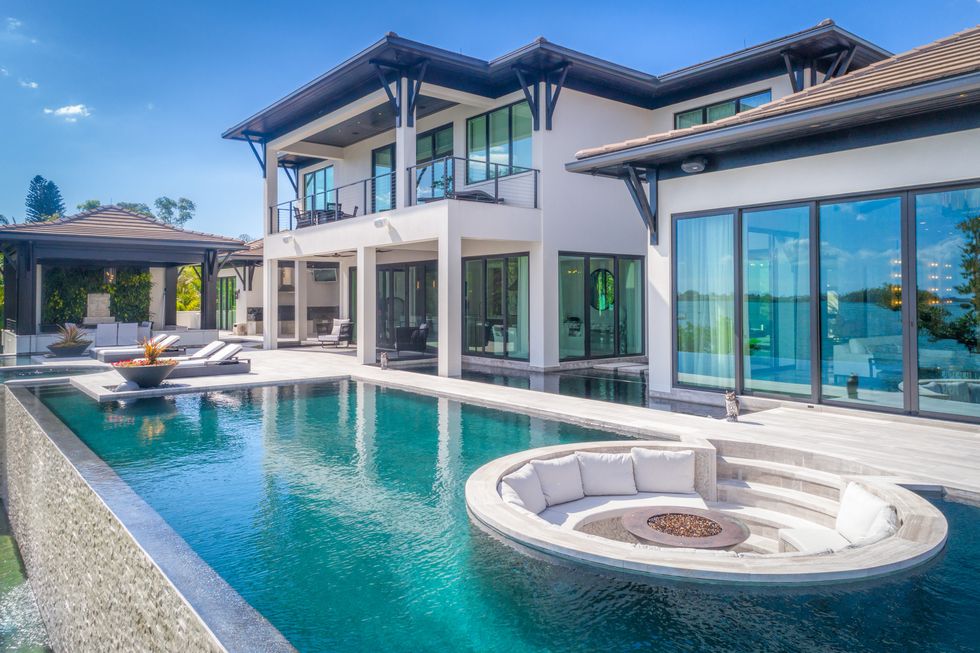
For high-end listings, use slick, cinematic production styles. Aerial drone shots and slow-motion b-roll create a rich, engaging look and feel.
Emphasize luxury visuals
The options are nearly endless. Other real estate video ideas include market update videos, decorating/renovation tips, client appreciation videos, time-lapse construction videos, and interactive video home tours.
Mix up your content formats to keep viewers engaged. Videos under 2 minutes tend to get the most retention but aim for 4-5 minutes for in-depth property tours.
No matter which types you create, focus on high-quality, helpful content that shows off your listings and provides value for buyers and sellers.
2. Creating Compelling Real Estate Videos
Creating videos that capture attention and drive engagement requires planning, effort, and creativity. Follow these tips for producing compelling real estate videos:
Useful Tips for Shooting Quality Videos
- Stabilize the camera with a gimbal or tripod for smooth movement. Shaky footage looks unprofessional.
- Film exterior establishing shots to set the scene and location.
- Slow pans and zooms help viewers absorb the surroundings. Avoid quick/erratic camera movements.
- Shoot B-roll video footage of the neighborhood and property exteriors to cut away and add visual interest during editing.
- Capture multiple camera angles – wide shots, medium shots, close-ups, drone aerials, b-roll, etc.
- Ensure adequate, flattering lighting. Adjust blinds to avoid harsh glare and shadows.
Equipment Needed
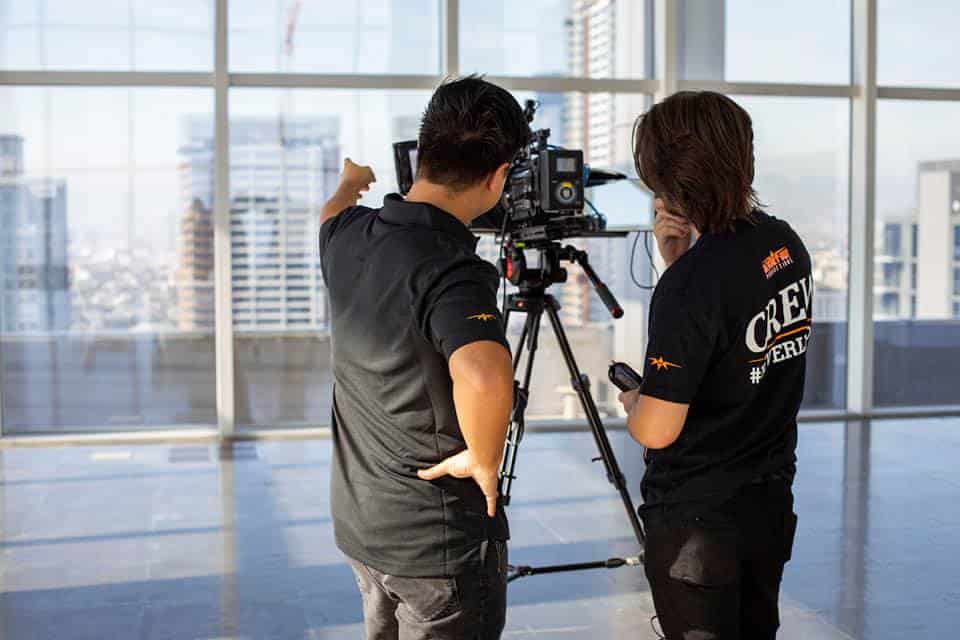
- Invest in a feature-packed camera like the Sony ZV1 or Canon G7X MIII. Smartphones can also work well.
- Use a 3-axis gimbal stabilizer like the DJI OM 4 for incredibly smooth video.
- Lavalier microphones provide excellent audio quality for speaking segments.
Lighting and Sound Considerations
- Add battery-powered LED light panels if the home has poor lighting. Boost dim areas.
- Turn off appliances, AC/heat, and music to minimize background noise.
- Use Lavalier mics or shotgun mics to capture clear audio. Pay attention to sound quality.
Scripting and Planning
- Script your narration beforehand to sound natural yet informative when filming. Practice delivery.
- Storyboard the video flow scene-by-scene. Plan shooting locations and angles.
- Time on-screen text introductions. Keep clips short and impactful through concise editing.
With the right gear, planning, and presentation, your real estate videos will captivate audiences and showcase properties in the best light possible. Focus on high-quality production value and compelling content.
3. Optimizing and Promoting Your Videos
Creating compelling real estate videos is only half the battle. You also need to optimize and actively promote your content to get it seen by buyers.
YouTube Optimization Best Practices
- Include your target keyword in the title and description to help you get found in YouTube searches.
- Write long, descriptive descriptions summarizing the video content. Use related keywords.
- Tag each video thoroughly with keywords and location names buyers may search for.
- Add clickable end screens to your videos linking to your channel or other videos.
Optimizing Video Titles, Descriptions, and Tags
- Make titles attention-grabbing and descriptive. Include keywords where it sounds natural.
- Write video descriptions that are engaging and packed with relevant keywords. Summarize key info.
- Research keyword phrases buyers use and include them in your tags. Tag competitively.
Promoting Videos on Social Media
- Share videos on Facebook and Instagram with intriguing captions to generate interest.
- Post videos natively on the apps rather than links to encourage more views.
- Use relevant #hashtags in captions to reach buyers outside your immediate network.
Embedding Videos on Your Website
- Add lead capture forms before videos to collect buyer info for follow-up.
- Embed videos on listing pages, the blog, the “About” page, and other relevant sections of your site.
- Ensure your website is mobile-friendly. Most video viewing happens on smartphones.
Distribute your real estate videos far and wide to get them in front of motivated buyers. Promote videos consistently through your main marketing platforms.
4. Measuring Video Marketing Results
To improve your video marketing results over time, it’s important to track key metrics and analyze performance. Here are essential data points to measure:
Important Metrics to Track
- Views – The number of times your video is viewed. Aim to increase this over time.
- Watch time – The total duration viewers have watched your videos. More watch time signals better engagement.
- Click-through rate – The number of views divided by the number of clicks to your YouTube channel, website, or linked videos. Higher is better.
- Subscribers gained – How many new YouTube subscribers do you gain from each video? Subscribers allow you to market to warm leads.
- Traffic referred – The amount of visitors referred to your website from embedded videos. Helps gauge marketing value.
YouTube Analytics
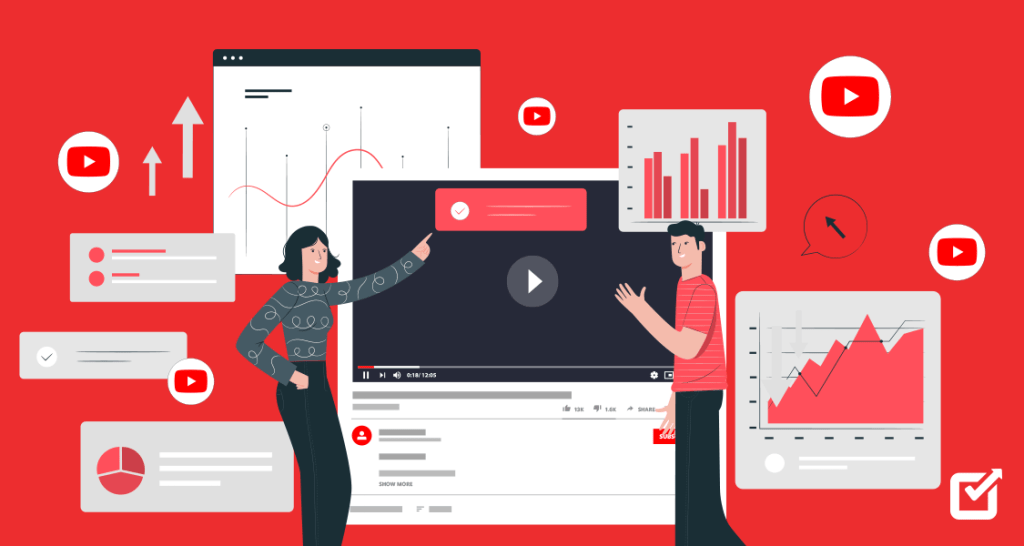
Take advantage of free YouTube Analytics to assess:
- Which videos drive the most traffic, views, subscribers, and engagement
- Viewer geography and demographics
- Traffic sources – YouTube search, suggested videos, social media, etc.
- Audience retention shows what parts of videos keep viewers watching
Linking Videos to Conversions
- Use UTM tracking parameters on video links to see which videos influence conversions like form fills, emails, and calls.
- Install Facebook and Instagram pixels to track conversions from video views and shares.
- Survey buyers on how impactful videos were in their decision process.
Analyze both quantitative traffic and engagement data along with qualitative feedback from clients to determine your optimal video content and strategy.
Continually test new video styles and topics and double down on what performs best. Use data to maximize the impact of your real estate video marketing over time.
5. Overcoming Video Marketing Challenges
While video marketing offers immense opportunities, agents also face obstacles in consistently producing and promoting quality videos. Here are some common challenges and how to overcome them:
Budget Constraints
- Use your smartphone camera if buying pro gear isn’t affordable. Newer phone cameras shoot crisp, high-quality video.
- Take advantage of free editing apps like iMovie or invest in affordable editing software as budgets allow.
- Find low-cost accessories like clip-on mics and basic lighting kits to improve production value.
- Outsource editing if you don’t have the time or skills. Many freelancers offer video editing services.
Producing Regular Content
- Set aside dedicated time for brainstorming and creating a video content calendar.
- Batch film videos on multiple properties in a single day. Recycle B-roll to save filming time.
- Repurpose written blog content into on-camera videos or narrated presentations.
- Collaborate with agents in other markets to swap footage and create content.
Standing Out on YouTube
- Focus on video SEO using researched keywords so you rank well in searches.
- Create catchy custom thumbnails and titles that capture attention.
- Promote new videos consistently across your social media channels when published.
- Interact with commenters and build community by responding.
The real estate video landscape continues to get more competitive. But with strategic planning, efficient processes, and persistence, agents can establish regular video marketing without burning out or breaking budget.
Don’t be intimidated. Start creating helpful videos today!
Frequently Asked Questions:
1. What types of videos should I create?
You’ll want a mix of listing videos to showcase properties, neighborhood/area videos to highlight local amenities, drone footage for unique perspectives, and testimonial videos from happy clients. Don’t overlook live videos too – they boost engagement.
2. How do I optimize videos for search?
Use relevant keywords in titles, descriptions, and tags. Embed videos on your website and blog. Share on social platforms. Create transcripts for better SEO. Make captioned versions for silent viewing.
3. What equipment do I need?
A smartphone can shoot decent videos these days. But a dedicated camera, external mic, lighting kit, and stabilizer will elevate production quality. Invest in basic editing software too.
4. How long should my videos be?
Aim for 60-90 seconds for property listing videos. Neighborhood/area videos can be 2-3 minutes. Testimonials or FAQ videos should be concise, under a minute. Vary lengths to cater to different viewer attention spans.
Conclusion:
Video marketing is a must for real estate agents looking to promote listings in an increasingly digital world. Videos give buyers an immersive way to view and evaluate properties remotely.
They also engage prospects with your brand on a deeper, more personal level.
This guide has covered a wide array of tips and strategies to help you effectively incorporate video into your marketing approach, from highlighting key video formats and optimizing YouTube, to overcoming production challenges.